
Fiber Optic Sensor Reflection
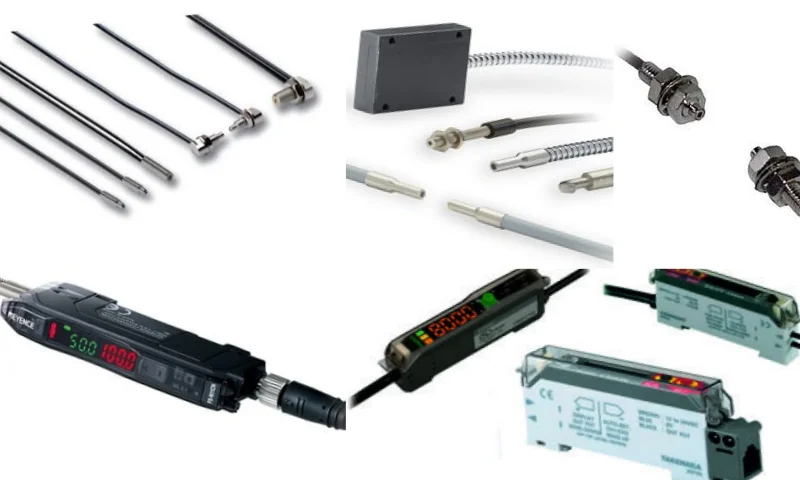
Fiber Optic Sensor Reflection
Sensors are devices we use in almost every field today. By visiting the relevant web pages, you can purchase a variety of Fiber Optic Sensor products with a light source, adjustable to your desired response time, different power supply features, the operating mode you are looking for, sensitivity-sensitive, ambient light, and varying designs in terms of ambient temperature and humidity, and different weights and dimensions. Sensors, used and needed from daily life to work areas in different sectors, operate with signal exchange in different tones. Among the variety of sensors, fiber optic sensors are sources that convert light energy into electrical signals. The fiber optic cables in the setup allow light to be transmitted to distant places. Fiber optic cables are connected to distant sensors. The total reflection systems within the cables that enable light transmission can be delivered to the farthest distances without energy loss. In this way, light transmission returns with the angle at which the light arrived and is reflected back again.
Types of Fiber Optic Sensors
The critical angle and the need for the cladding material's density to be less than the core material's density are two important factors required for this total reflection system. Furthermore, the more equipped the optical elements in the system are, the higher the device's efficiency. The electrical signal in the signal processing part of fiber optic sensors is converted into optical signals first and then again into electrical signals by semiconductors such as photodiodes/phototransistors located at the end of the cable. With the help of LEDs or laser diodes in the content, digital and analog signals are also transmitted.





