
What is the Power of Restoration?
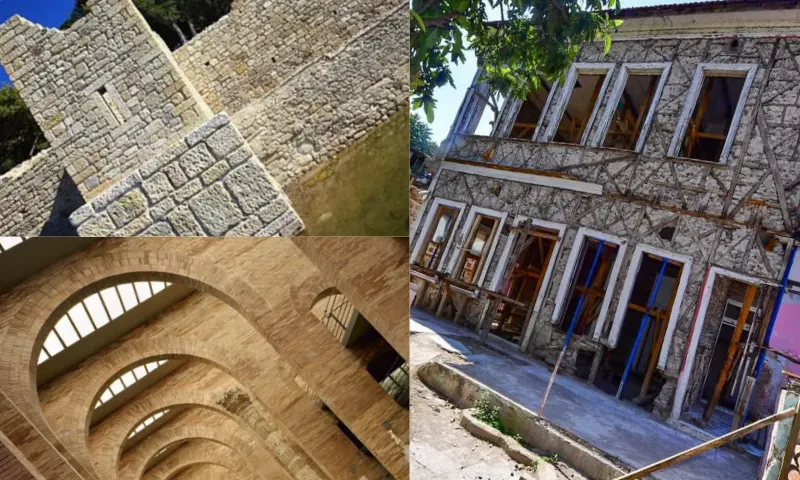
The Power of Restoration refers to the impact created by the process of reviving old and worn-out structures, objects, or artworks in their original form. Restoration is not just a physical repair but also a cultural bridge that carries the traces of the past into the future. Historical structures can be damaged over time due to natural conditions or human influence. At this point, restoration efforts aim to preserve these values both aesthetically and structurally. Thus, the heritage of the past is passed on to future generations without being lost. The power of restoration comes from its ability to establish a connection between history and the present. To get information on this subject and ask your questions, you can look at the relevant online firms on internet pages and examine them in detail from here.
What to Consider During the Restoration Process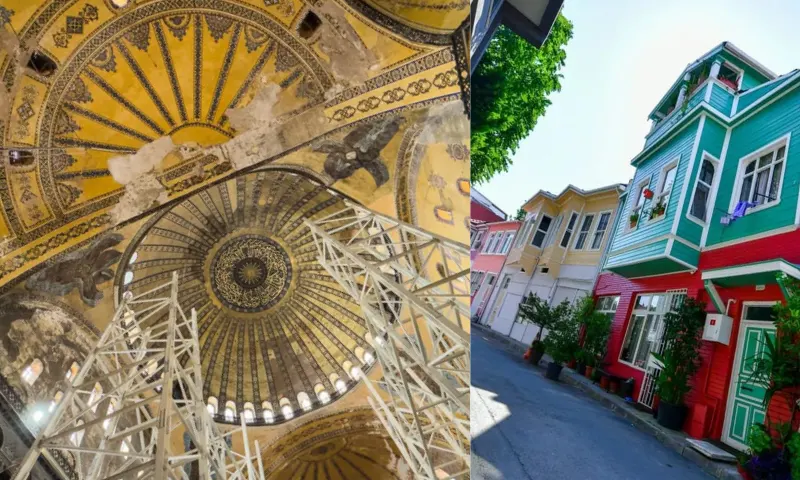
The Power of Restoration depends on the use of correct techniques and expertise. The most important step in this process is to preserve the original structure of the work. Unnecessary interventions should be avoided, and the materials used should be appropriate for the period of the work. Restoration works usually begin with a detailed examination; the damage status of the structure or object is analyzed, and appropriate methods are determined. Every detail is of great importance in this process, which requires patience and meticulousness. Furthermore, modern technologies make restoration efforts more precise and effective. The aim is not to renew the work, but to bring it back to life with its original identity.
Cultural and Social Impacts of Restoration
The Power of Restoration is evident not only in preserving physical structures but also in preserving cultural memory. The preservation of historical artifacts allows societies to connect with their past and supports the continuity of cultural identity. Thanks to restoration, cities can develop in harmony with modern life without losing their historical texture. It also makes a significant contribution in terms of tourism; restored structures attract visitors and create economic value. This process strengthens the historical awareness of societies by bringing the aesthetic and cultural richness of the past to the present. As a result, restoration is a powerful art that both preserves cultural heritage and adds value to the future.