
What are the Advantages of Building Information Modeling?
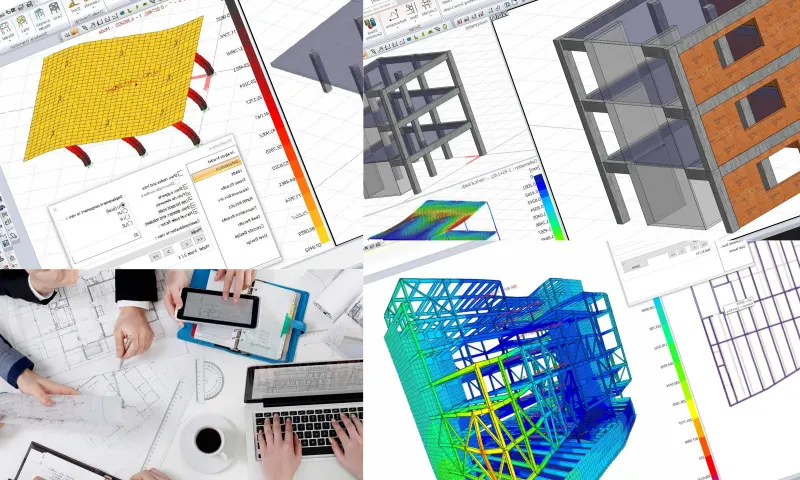
At Which Stages Do Building Information Modeling Processes Come into Play?
Building Information Modeling (BIM) offers many advantages in construction and architecture projects. In the design and planning stages, it enables projects to be presented in a more detailed and visualizable manner through 3D modeling. This facilitates better communication and understanding among stakeholders. BIM helps detect potential errors and clashes in projects in advance, preventing costly corrections. BIM ensures that all data throughout the project is collected on a single platform, making information access easier and processes more efficient. It supports the achievement of sustainability goals, simplifying energy efficiency calculations and environmental impact analyses. For more information on Building Information Modeling, you can visit the web address https://idecad.com.tr/architecture-engineering-construction/building-design/what-is-bim-building-information-modeling/.
What is the Impact of Using Building Information Modeling on Project Costs?
Building Information Modeling processes come into play at various stages of construction projects. In the design phase, architects and engineers create 3D models of the structure using BIM. These models are developed to include every detail of the building. The next stage is the planning and analysis phase. In this stage, various analyses are performed on the created models, and the performance of the structure is evaluated. Another stage is the construction process. BIM is used in this stage for planning the construction process, material management, and coordination of workflows. The use of Building Information Modeling has positive effects on project costs. With BIM, fewer errors are made during the design and planning stages, which helps reduce unexpected costs during construction. Material and labor planning is done more effectively, ensuring more efficient use of resources. Building Information Modeling minimizes delays that may occur during the construction process, as processes can be better coordinated and monitored. In the long term, BIM also reduces maintenance and operating costs, as comprehensive and accurate information about the building is always accessible. This allows maintenance needs and potential issues to be resolved more quickly and effectively.





