
Why is Swimming Training Important for Babies?
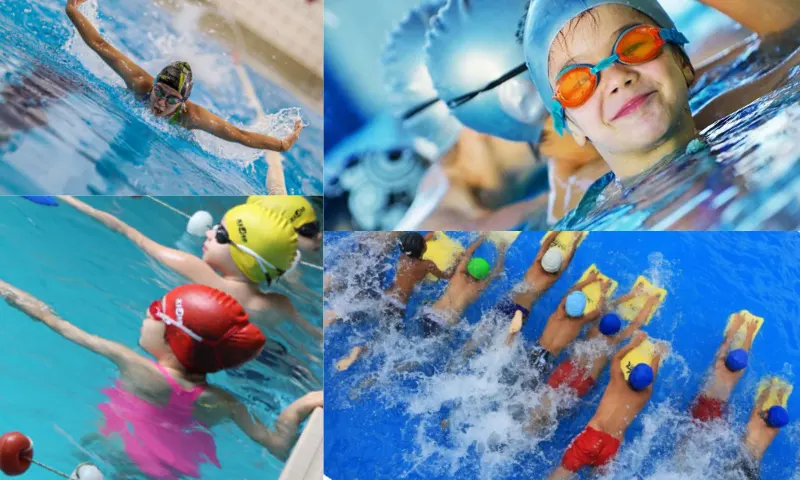
Swimming training for babies is of great importance in ensuring they get accustomed to water at an early age and teaching them water safety. Babies' natural reflexes reduce their fear of water, which is why swimming training can be more effective when started in infancy. Swimming supports the baby's muscle development, improves coordination skills, and strengthens the respiratory system. Moving in the water also increases babies' self-confidence and makes them physically stronger. Receiving swimming training at an early age helps children develop a positive attitude towards water. For information on this topic and to ask your questions, you can look at the relevant online companies on web pages and examine them in detail from there.
Physical and Psychological Benefits of Swimming Training for Babies
Swimming plays an important role in the physical development of babies. Movements in the water help strengthen the baby's muscles, while the water's resistance puts less pressure on the joints. This allows babies to move comfortably. Swimming also supports the cardiovascular system and improves the general health status of babies. Psychologically, swimming training increases babies' self-confidence and positively affects their relationship with water. The enjoyment babies experience while moving in the water contributes to their being stress-free and feeling happier.
How to Provide Safe Swimming Training for Babies?
Swimming training for babies must be given under the supervision of an expert and in a suitable environment. The cleanliness of the swimming pool and the water temperature are critical for the health of babies. The water temperature should ideally be between 32-34 degrees for babies. Equipment used during swimming training for babies should be selected with safety in mind; for example, baby swim vests or armbands. In addition, it is important for parents to be in constant communication with their babies during swimming training to reassure them and make them feel safe. The duration of swimming for babies should be kept short, and they should be monitored carefully while in the water. Gradual progression of the training and respecting the babies' adaptation process to water are key factors for successful swimming training. Swimming training for babies is an excellent opportunity to support both their physical and psychological development. Parents being careful and aware during this process ensures that the baby establishes a safe and enjoyable relationship with water.





