
Where Are Nitrogen Generators Used?
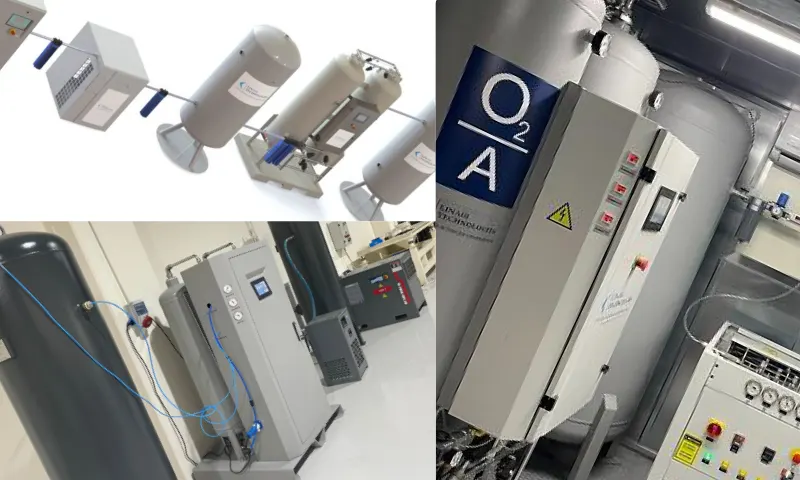
How is the Working Principle of a Nitrogen Generator Explained?
A Nitrogen Generator is a system that ensures the on-site and controlled production of pure nitrogen gas in industrial facilities. The Nitrogen Generator operates on the principle of separating oxygen from compressed air and provides continuity in production processes. It is preferred in many areas, from food packaging to the metal processing industry. It offers benefits such as extending shelf life, reducing oxidation, and increasing process safety. It provides significant flexibility to businesses in terms of energy management. Reducing the need for cylinder or liquid gas logistics helps make cost items more predictable. Its easy integration into industrial automation systems creates an advantage for modern production lines. It plays an active role in maintaining quality standards. You can visit the web address https://www.linairtech.com/tr/urunler/azot-jeneratoru/ for detailed information about Nitrogen Generators.
What are the Advantages of Using a Nitrogen Generator for Businesses?
A Nitrogen Generator works by passing compressed air through special filters. During this filtration, oxygen and other gases are separated, while nitrogen gas is obtained at the desired purity level. Systems using PSA or membrane technology can be adapted to different capacities according to production needs. Throughout the process, pressure, temperature, and flow rate values are kept under control. This structure prevents fluctuations in production. The adjustability of the purity level allows for meeting the technical expectations of different sectors. Low performance loss during long-term use increases the system's sustainability. A Nitrogen Generator allows businesses to manage their gas supply processes internally. This reduces external dependency and simplifies the planning process. The consistent gas quality contributes to product standardization. The reduced need for storage space also has positive implications for workplace safety. The elimination of transportation-related risks creates order in the production area. Controllable energy consumption ensures transparency in budget management. Low maintenance costs in the long run shorten the system's return on investment period.





