
Color Meanings: Red: The Color of Energy and Passion

Red is one of the most eye-catching and powerful colors. It is generally associated with energy, passion, and power. Physically, red increases excitement, speeds up heart rate, and makes a person more energetic. Red also carries the meaning of danger and warning; therefore, it is frequently used in areas such as traffic lights and warning signs. Psychologically, red can evoke emotions such as desire, love, and courage. As a color also associated with anger and aggression, excessive use can create stress. Red is a preferred color for those who want to create an energetic and bold environment, but it is important to find the right balance, as too much red can make the environment dominant and restless. For information on this subject and to ask questions you are curious about, you can look at related online companies on web pages and examine them in detail from here.
Blue: A Sense of Calmness and Trust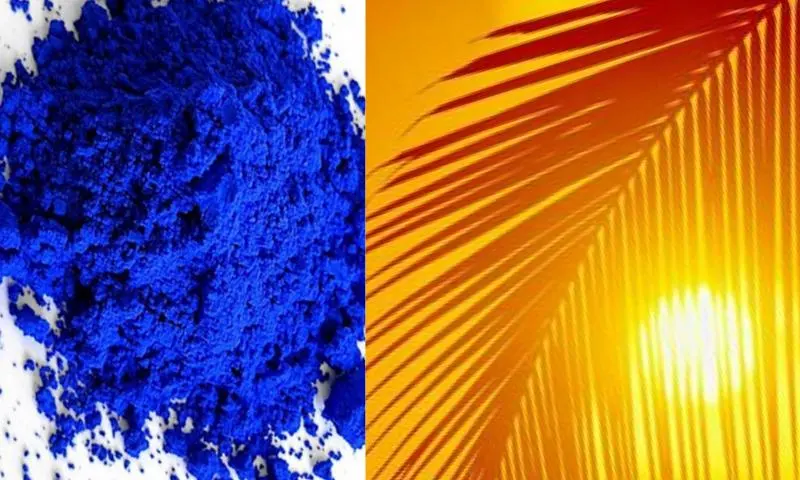
Blue is a color identified with the sky and the sea, generally evoking feelings of calmness, peace, and trust. Blue has a calming effect on individuals. It provides mental relaxation and reduces stress. For this reason, blue is often used in environments where trust is prioritized, such as offices, hospitals, and banks. Psychologically, blue reinforces feelings of trust, loyalty, and confidence. Blue tones also encourage creativity and increase focus. However, excessive use of blue can trigger feelings of melancholy, coldness, and loneliness, so it is beneficial to use blue carefully in interiors. Blue is an ideal choice for those who want to create a peaceful atmosphere.
Yellow: Happiness and Mental Alertness
Yellow symbolizes the light and brightness of the sun. It is generally associated with happiness, optimism, and energy. Yellow makes a person more energetic and increases mental alertness. Therefore, yellow is a preferred color in creative spaces and offices. Yellow is also a striking color, and due to this feature, it is used in warning signs and traffic signs. Psychologically, yellow cheers people up and puts them in a more positive mood. Yellow is also very suitable for social environments that encourage communication. However, excessive use of yellow can increase irritability and anxiety, as very bright yellows can tire the eyes and create tension. Therefore, it is important to use yellow in a balanced way. In conclusion, colors are not just visual elements, but also powerful tools that can create psychological and emotional effects. While red symbolizes passion and energy, blue evokes trust and peace, and yellow evokes happiness and vitality. Each color has a different effect, and the right choice of colors around us can positively affect our mood and overall quality of life.