
Authentic Kilim Weaving: Art from Tradition to the Future
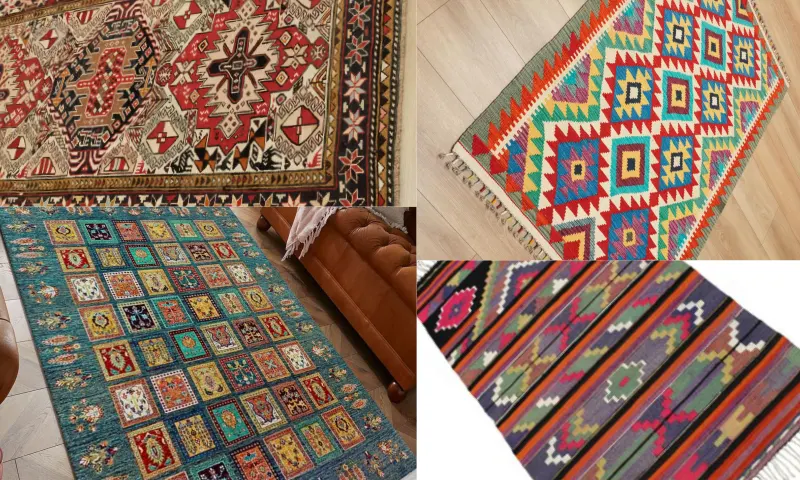
Authentic kilim is a type of carpet woven using traditional methods and natural materials, carrying aesthetic and cultural value. These hand-woven arts, prevalent in regions like Turkey, Iran, Afghanistan, and Central Asia, are not just home decor elements but also reflections of history, culture, and societies. The motifs and patterns used in authentic kilims reflect the unique cultural heritage of each region. Kilim weaving is the continuation of a tradition spanning years, and this tradition comes to life with the craftsmanship of each weaver. Compared to machine-made carpets influenced by modern technology, the texture and patterns of authentic kilims offer a unique aesthetic through natural and traditional techniques. For information on this topic and to ask your questions, you can examine the relevant online companies on web pages and conduct a detailed review from there.
Authentic Kilim Weaving Techniques
The process of weaving authentic kilims is quite laborious and time-consuming. This process, carried out on traditional looms, is shaped by the skill and experience of the masters. Although kilim weaving techniques vary by region, two main techniques are generally used: knotted weaving and flat weaving. Knotted weaving is common, especially in Iranian and Turkish kilims, where each knot is tied by hand, and patterns are created this way. Flat weaving is preferred for kilims with simpler and more basic patterns. The yarns used during the weaving process are traditionally made of wool, cotton, or silk. These materials increase the durability of the kilim and provide a natural texture.
Cultural and Aesthetic Value of Authentic Kilims
Authentic kilims carry cultural value beyond being just functional household items. Each kilim contains symbols and patterns that reflect the history, social structure, and lifestyle of the region where it was woven. For example, geometric shapes in a kilim symbolize traditional Turkish motifs, while floral patterns symbolize elements found in the nature of Central Asia. Furthermore, the color palette of authentic kilims also carries cultural meanings; colors like red, blue, and yellow reflect the atmosphere and life energy of a particular region. These kilims not only adorn homes but also contribute to the world of art and culture with their deep meanings. The aesthetic value of kilims elevates them beyond mere decorative items, making them a part of cultural heritage. Authentic kilim weaving is an art form carrying traces of the past and holds great importance both aesthetically and culturally. Traditional weaving techniques and natural materials used make each kilim unique. This art symbolizes both respect for the past and a cultural heritage that must be carried to the future.





