
Heat Exchanger Plate
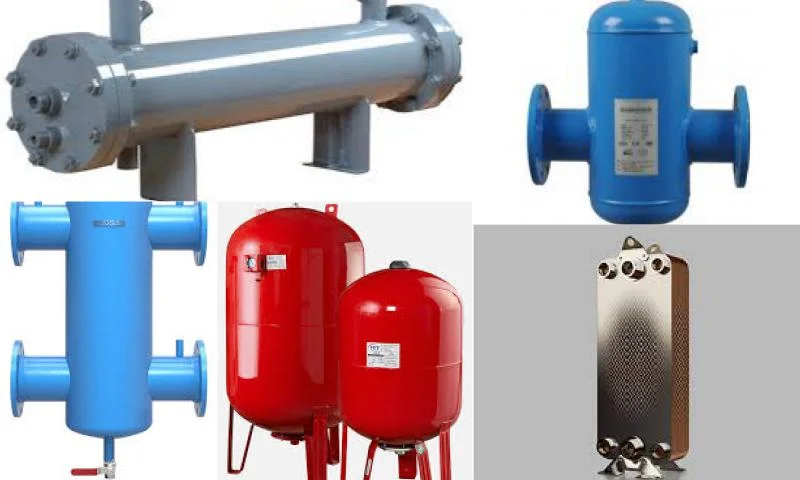
Types of Heat Exchanger Plates
Plate heat exchangers are installation equipment used to separate two fluids at different temperatures with the help of plates and to transfer heat between the two fluids. The biggest difference between a heat exchanger and a plate heat exchanger is that systems using heat exchanger plates are more efficient in heat transfer. The thinness of the plate used in the equipment increases the heat transfer rate and provides advantages such as preventing heat loss. In addition to being efficient, plate heat exchangers prevent the formation of sediment and dirt in the systems where they are used. In addition to the advantages they provide, plate heat exchangers are also safe against the high pressure that may occur in the facility where they are used. Plate heat exchangers, used for many purposes in installations such as heating, cooling, and circuit separation, also extend the life of the facility where they are used thanks to their advantages. You can obtain products suitable for your demands from https://www.vefaheat.com/esanjorler/contali-plakali-esanjorler/.
How Does a Plate Heat Exchanger Work?
The advantages of using a plate heat exchanger are quite high, but its most important benefit should be its greater efficiency in heat transfer. The most important factor affecting heat efficiency in these devices is the type of heat exchanger plate. With heat exchanger plates of many different designs, heat transfer efficiency can be increased. Standard heat exchanger plates are frequently preferred in everyday use areas. They are preferred in low-pressure areas such as hot water and space heating. Wide-gap heat exchanger plates are preferred in situations where the fluid to be flowed may contain particles. In these areas, the use of wide-gap heat exchanger plates prevents dirt buildup and clogging of the plates. The working principle of these systems is basically the same. They are installations prepared on two inlets, channeled heat transfer plates, and two outlet systems. While the fluid that needs to be heated circulates in one of the inlets and outlets, the fluid that will heat this fluid circulates in the other. The number of inlet and outlet ports can be increased according to demands.





