
How Should the Medical Air Plant Installation Process Be Planned?
How Are Medical Air Plant Maintenance and Operation Processes Carried Out?
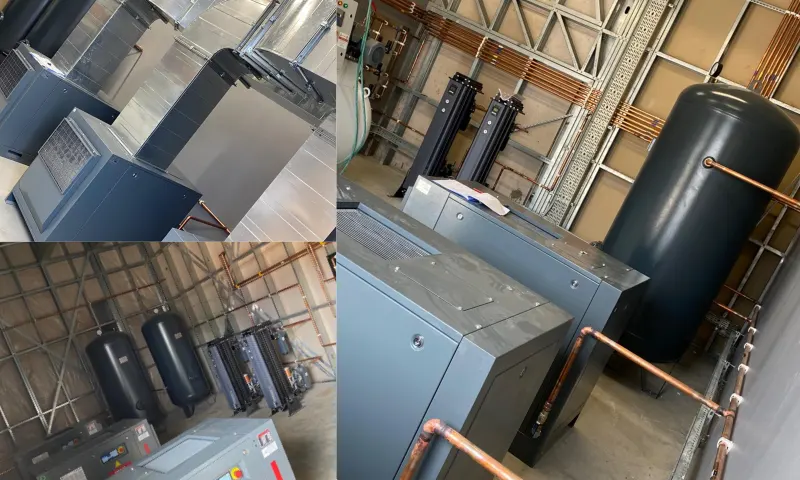
The Medical Air Plant installation process should be planned in detail according to the healthcare facility's existing infrastructure and usage needs. The ventilation capacity, vibration level, and accessibility of the area where the compressors will be placed are evaluated. Measurements that will prevent pressure loss are taken when determining the routes for the pipelines. The use of piping and connection elements that comply with medical standards during the installation of the Medical Air Plant is important for maintaining air quality. The electrical infrastructure must be capable of handling the system load. Following the installation phase, leak tests, pressure tests, and automation trials are performed. You can visit the web address https://www.linairtech.com/products/medical-air-air-plant/ for detailed information about Medical Air Plant.
What Are the Criteria to Consider When Choosing a Medical Air Plant?
During the Medical Air Plant operation process, regular checks play a decisive role in maintaining system performance. The condition of the filtration elements is inspected at regular intervals as it directly affects air purity. By monitoring the operating values of the compressors, mechanical wear is detected at an early stage. Air drying units are kept under control to maintain moisture balance. Pressure and flow values are monitored and recorded through the automation panel. Potential risks are reduced by checking the functionality of electrical connections and alarm systems. This disciplined operational approach contributes to the stable operation of the system. When selecting a Medical Air Plant, the facility's bed capacity and simultaneous usage needs should be considered. Determining the correct production capacity ensures balanced air pressure. Energy consumption values should be evaluated in terms of operating costs. Systems with a redundant compressor structure offer service continuity. The traceability of the automation infrastructure provides ease of use. Technical service support and spare parts availability are important for long-term use. The right choice creates a reliable and sustainable air infrastructure in healthcare facilities.





