
The Effects of Chlorine on Water: Consumption and Health Risks
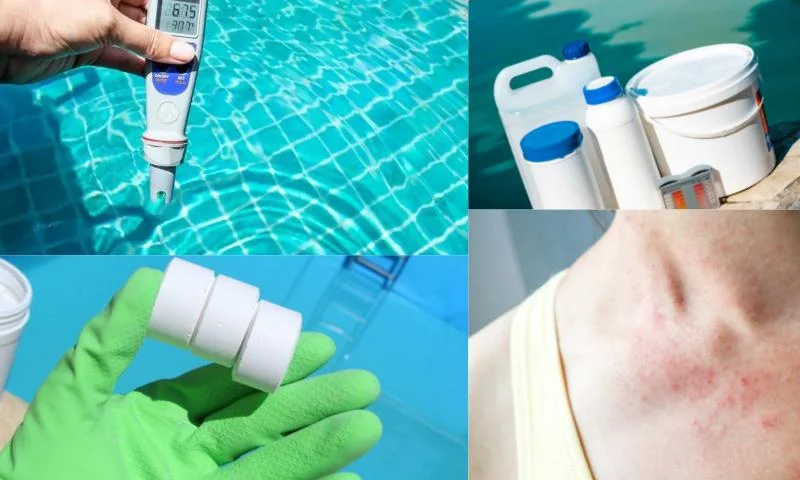
Chlorine is a chemical widely used in water treatment plants to disinfect water. However, research on the effects of chlorine on water indicates that excessive chlorine consumption can be harmful to human health. Under this heading, we can examine the effects of chlorine on water, drinking water quality standards, and health risks, emphasizing the importance of being conscious about water consumption. To get information on this subject and ask your questions, you can look at the relevant online companies on web pages and examine them in detail from here.
Negative Effects of Chlorine on Skin and Hair: Irritation and Dryness
Chlorine can cause adverse effects on skin and hair when used as a disinfectant in swimming pools and shower water. This chemical can lead to dryness, irritation, and itching of the skin. It can also strip the hair of its natural oils, leading to a dry and dull appearance. Under this heading, we can discuss the effects of chlorine on skin and hair and the measures that can be taken to mitigate these negative effects.
Environmental Effects of Chlorine: Problems in Water Sources and Ecosystems
While the use of chlorine in water treatment processes provides disinfection, its environmental effects cannot be ignored. The discharge of chlorinated water into nature can disrupt the natural balance in water sources and affect living organisms in ecosystems. Under this heading, we can discuss the environmental effects of chlorine, its negative impacts on aquatic ecosystems, and the importance of transitioning to alternative disinfection methods with environmental sustainability in mind.





