
What Folk Dance is Played in the Aegean Region?
What are the Folk Dances Specific to the Aegean Region?
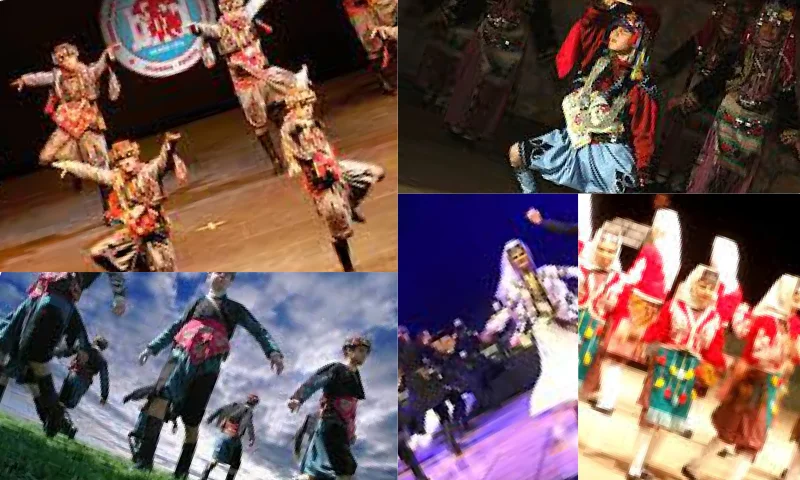
The Aegean Region, with its rich culture in folk dances, is also famous for its 'efes' (heroes/chieftains) and zeybeks. The performance shown by the efes in the region, especially during the War of Independence, was also reflected in folkloric dance figures. Like the folk dances of all regions, every movement in the Aegean Region's folk dances has a story and meaning. Knowing the meaning of these movements in folkloric dances from a general culture perspective allows one to understand every figure and the story told when watching these dances. Due to its hot climate and a past that experienced the war period heavily, the dances of the Aegean Region are more ponderous than agile. The costumes of the efes, who are also called zeybeks in some areas, are very detailed. Although their boots are bellows for freedom of movement, they are heavy. The fes (hats) decorated with handmade embroidery, and neck scarves of the efes are also factors that make their dance difficult during the performance. When learning about folk dances, the history of the region, the story of the costumes worn in the dances, and the meaning of the dance figures must be researched.
How is Çökertme played?
The first dance that comes to mind when the Aegean Region is mentioned is Harmandalı. In folklore, it is also called Harmandalı Zeybeği. Harmandalı, the most common folk dance of the Aegean region, is performed in eight figures accompanied by drums and zurna. The dance itself incorporates figures such as slow walking, agile movement, on the knee, heavy jumping, and kneeling. This dance is often performed, especially at weddings. Kerimoğlu is another one of the most frequently performed folk dances of the Aegean region. This dance, also called Kör Arap in some regions, is an indispensable part of weddings and celebrations in the Denizli, İzmir, Kütahya, and Aydın regions. Kerimoğlu, known by different names depending on the region it is performed in, is called Kadıoğlu, Koca Arap, Yörük Ali in Aydın; İnce Memet Zeybeği in İzmir; and İbrahim Usta in Denizli. Teke Zeybeği, which holds an important place among the folk dances of the Aegean Region, is also referred to as halay, tek zeybek, and kırık zeybek in folklore compilations. As its name suggests, this dance has more rapid figures compared to other Aegean region dances. For example, while Harmandalı and Kerimoğlu zeybeks have very strict rules, some figures in Teke zeybeği are flexible and can vary according to the dancer's enjoyment while accompanying the music. Çökertme, which has been the subject of many TV series and movies, is the folk dance that emerged from the Aegean and is most recognized by all of Turkey. The efe who dances Çökertme almost represents an eagle. He opens his arms to the sides like an eagle's wings and performs his dance with slow steps. The efe, who spins around and kneels, sometimes makes protective movements around the female figure. It is a more meaningful and ponderous dance compared to other folkloric movements. Folk dances differ not only between regions but also in different localities within the same region. Like the Aegean Region, the folkloric dances in all other regions are indicators of the richness of our culture.





