
What is a Buffer Tank?
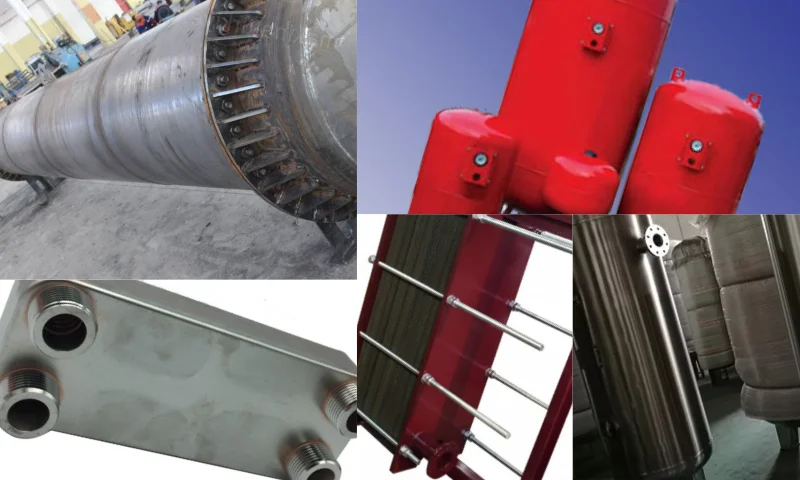
What is a Buffer Tank Used For?
A buffer tank is also known as a pre-thermal buffer tank. A buffer tank is a pool system that stores heat for energy efficiency. To understand a buffer tank better, let's interpret it by comparison: think of a tank system without a buffer as a city car. Buffer tanks are among the most commonly used products today. You can easily and affordably purchase these products at https://www.vefaheat.com/isil-denge-elemanlari/buffer-tankdenge-kabi/. Think of a system with a buffer tank as a car used on an intercity highway. Everyone knows that cars consume a lot of fuel in the city because they stop and go frequently. Also, consider heating systems: if the water volume inside is small, the water cools down quickly, and the boiler or combi unit starts frequently. This leads to excessive load on electricity and gas during startup. This is the case in almost every system. The material of a buffer tank is quite simple.
What Does a Buffer Tank Do?
A buffer tank is manufactured and used to ensure thermal balance by preventing heat loss in the energy system. The success of these tanks in preventing heat loss stems from their high insulation properties. Buffer tanks are frequently used, especially in cooling and heating systems. A buffer tank is a water-filled reservoir used to increase the efficiency of renewable energy system applications and capture multiple heat sources in a single system. When installing heat pumps in renewable energy systems, buffer tanks are recommended. The heat pump goes to one side of the buffer tank; the home's heating system, such as radiators or underfloor heating, is connected to the other side of the buffer tank. When the water inside is heated to the desired temperature by the heat pump, the buffer tank acts as a battery, storing energy (hot water) and supplying it to the system when needed. Energy loss is minimized thanks to the high insulation used in the buffer tank.





