
What is the Post-Obesity Surgery Process Like?
What Should Nutrition Be Like After Obesity Surgery?
The post-obesity surgery process requires significant changes in the patient's life. Patients may need to remain under observation in the hospital for a period. After the recovery process is completed, regular check-ups are performed, and the success of the surgery, healthy weight loss, and management of complications are monitored. For the first few weeks, patients are fed liquids or purees. During this period, the patient adapts to their new stomach structure. Starting regular physical activity in the post-operative period is also recommended. Exercise both speeds up weight loss and helps maintain muscle mass. You can visit the web address https://www.docdrekenhuseyin.com/ for detailed information about obesity surgery.
How is Obesity Surgery Performed?
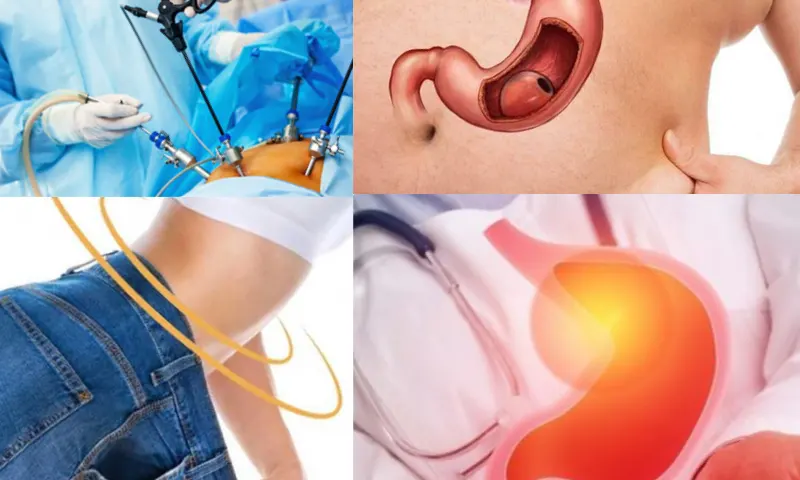
After obesity surgery, patients are fed liquids and soft foods for a certain period. Subsequently, a diet rich in protein and fiber is recommended. High-fat and high-sugar foods should be avoided. Meals should be eaten slowly, and each bite should be thoroughly chewed. Fluid intake also requires attention; fluids should not be consumed immediately before or after meals. This new eating regimen allows the patient to support weight loss while also living a healthy life without straining the stomach. Doctor check-ups at regular intervals and dietitian support help make healthy eating habits permanent. Obesity surgery is performed using the laparoscopic method, meaning with small incisions. This shortens the recovery time and reduces the hospital stay. During obesity surgery, various procedures are applied to limit the patient's stomach capacity. In sleeve gastrectomy, 70-80% of the stomach is removed, creating a tube-like structure. In procedures like gastric bypass, the stomach is made into a small pouch and directly connected to the intestines. This technique ensures the patient eats less and consumes fewer calories.





