
What is a Grease Trap?
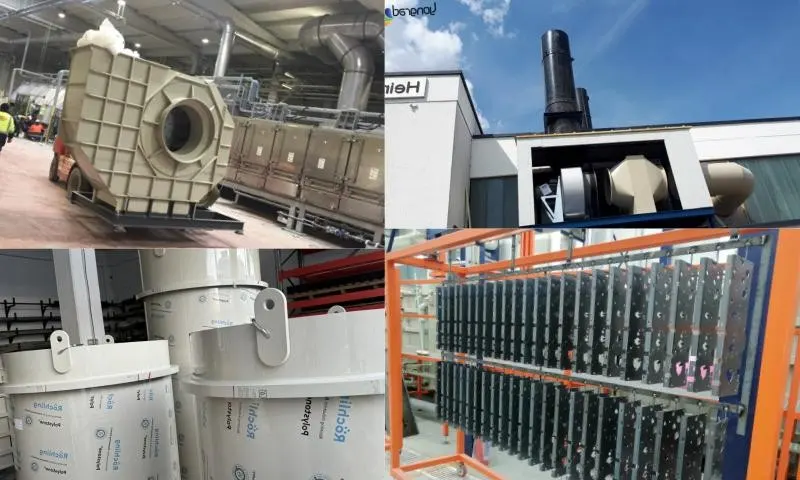
Where are Grease Trap Systems Used?
Grease traps are systems used primarily in industrial and commercial areas, providing significant benefits for the environment and infrastructure by separating oil and water mixtures. The main purpose of these systems is to prevent oil from mixing with wastewater, thus preventing the pollution of water resources. By capturing oil and oil-based contaminants in wastewater through mechanical or chemical methods, they ensure that water reaches nature or treatment facilities in a cleaner state. Grease trap systems are critically important in places where oil usage is intensive, such as restaurants, automotive service centers, and factory areas. For detailed information about grease traps, you can examine the web address https://yongrad.com/tr/magaza/separator-ekipmanlari/gres-ayiricilar/evsel-yag-tutucular/.
What to Consider When Choosing a Grease Trap?
Grease trap systems are used in almost every area where oil and water mix. Among the most common usage areas are restaurant kitchens and industrial kitchens, as large amounts of oily wastewater are generated here. Vehicle wash areas, automotive repair shops, and industrial facilities are also places where grease trap systems should be used. If the oily water generated in these areas is directly discharged into the sewer, oil will accumulate in the pipes, leading to blockages, bad odors, and environmental problems. Therefore, the use of grease trap systems protects infrastructure and prevents environmental pollution. When selecting a grease trap, the characteristics of the usage area and the amount of oil should be primarily considered. For example, a smaller capacity grease trap may be sufficient for a small cafe, while a large industrial facility will require much larger and more durable systems. The ease of cleaning the grease trap, its material quality, and durability are also important selection criteria. Systems with low energy consumption and efficient operation should be preferred. Compliance with local environmental and health regulations should also be taken into account.





