
How Do Babies Develop Self-Esteem?
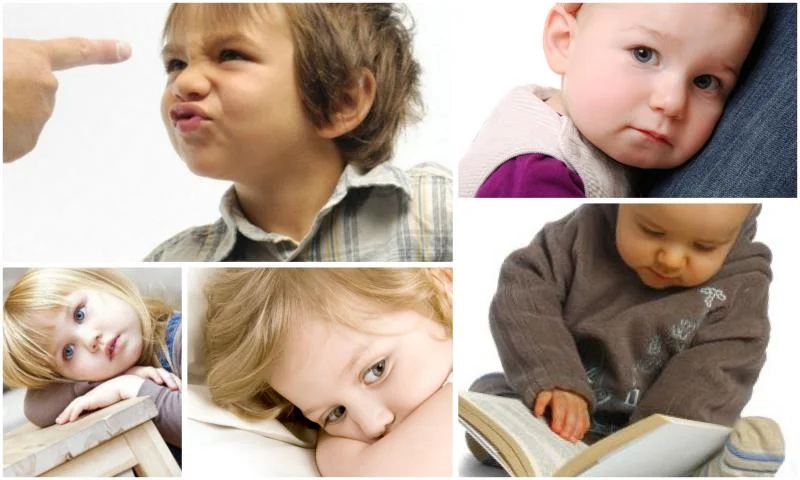
Children with High Self-Esteem
Self-esteem has a significant impact on our emotional state, which in turn affects our behavior. In the preschool period, children generally compare themselves to themselves rather than to others when evaluating their self-esteem. For example, they might say, "Look Dad, I couldn't call the elevator before, but now I can press the button and call it," or "I couldn't put on my shoes by myself before, but now I can." This is a positive trait because if every child compared themselves to others, they would start life with a negative outlook, and this would continue throughout their lives. Children typically begin comparing themselves to others around the third grade of primary school. Besides this, in the preschool period, the feedback from us parents and those around the baby also plays a very effective role in self-esteem. We should try to give positive feedback as much as possible. The saying "Don't discourage your child" comes from here. The meaning of this saying is "don't hinder your child's motivation while their self-esteem is developing." It is observed that children with high self-esteem also have parents with high self-esteem. This is not surprising, as such children feel more secure in their bond with their parents and receive more definite, logical, and consistent treatment from their parents.
To help your baby develop self-esteem:
Criticize your baby's behavior, not the baby themselves.
Offer your baby opportunities to be successful. Allow them to challenge themselves. For example, teach them to ride a tricycle.
Be generous with praise if they succeed. For example, when they learn to ride a bike, say, "You rode very well, you didn't hit anything and you were riding fast too."
Frequently tell your child that you love them, that you are proud of them, and how valuable they are, and explain why. For example, you can say, "I am proud of you because you willingly shared your toy with your friend."





