
Face Recognition Systems
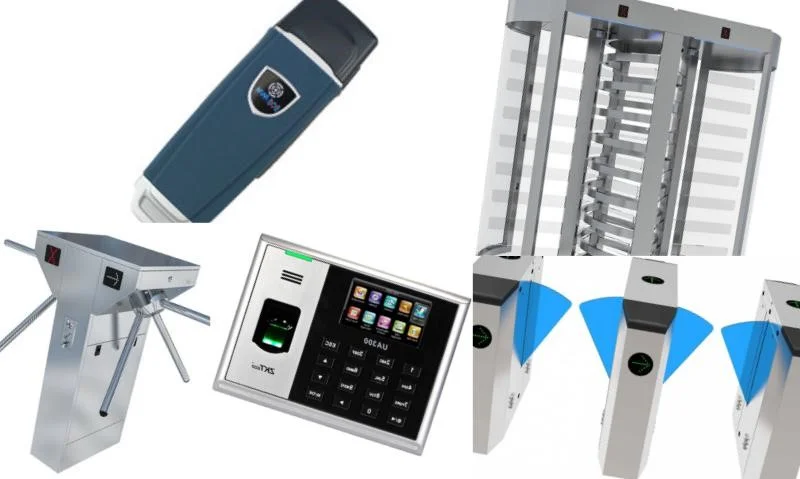
Nowadays, biometric security systems are increasingly used, especially to ensure the supervision and control of institutions and organizations. For detailed information, you can examine the page. The working principle of these systems generally relies on the analysis and identification of a person's inimitable, unique biometric data such as retina, face, hand, palm, or fingerprint. Face recognition systems are one of the biometric identity determination systems that are carried out by considering individuals' facial features. Due to its low error rate, high identification rate, fast identification algorithm, and contactless hygienic use, it has surpassed biometric systems like fingerprint readers or hand vein scanners today. Face recognition systems are used for three separate functions:
- Identity verification; to understand whether the statement of the person applying with a specific identity claim is correct.
- Identity recognition; to understand who the person is.
- Identity confirmation; to understand whether the person is already registered in the system and, if registered, to update the record.
How Do Face Recognition Systems Work?
Face recognition systems have three main stages. In the first step, one or more physical features of individuals are measured and recorded in the system. The data recorded in the system is filtered and evaluated statistically. In systems where multiple data points need to be measured and multiple templates or decision mechanisms are used, integration is utilized. Integration is a system that enables multiple data pieces or decision mechanisms to work together as a whole. The final stage is testing. Then, it is determined whether the system is working correctly and as required to prevent future problems. İlke Time Control and Security Systems offer you a biometric identity verification opportunity by combining speed and robustness with advanced technology through 3D face recognition systems. The person's face and movements are calculated with 3D geometry. This allows for the creation of a protected, high-security surveillance area.





