
Current Carrying Capacity
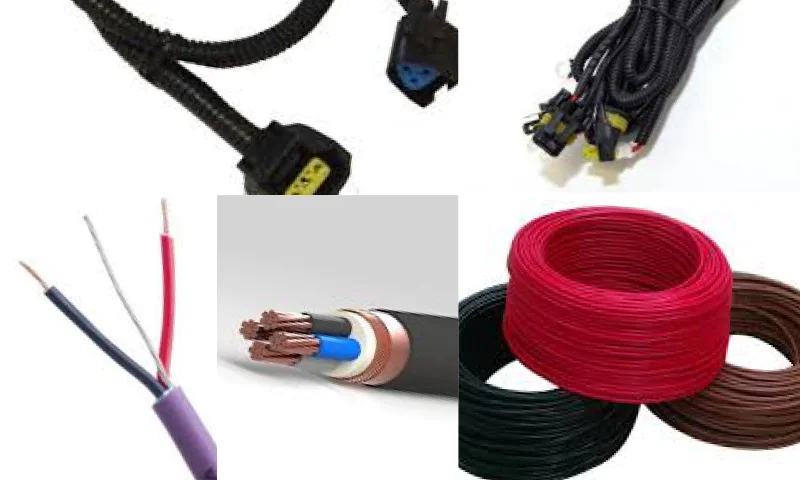
When we examine the outer and inner structures of cables responsible for carrying power, we encounter different structural features. For example, cable types with their exteriors wrapped and coated with insulating materials can have interiors designed with aluminum and copper wires in thin-thick, single-multiple, coiled-straight, or twisted configurations. You can perform detailed examinations on the topic of current carrying capacity from the pages. These different characteristics of cables arise from the difference in their current-carrying capacities. As can be understood from this, not every cable can be used in every area. Consequently, cable selections should be made based on features such as environment, conditions, and functionality, and the necessary safety precautions should be taken in work areas, living spaces, or facilities.
Current Carrying Capacity in Cable Selection
When cables are used in the wrong areas, they can heat up, wear out, or even ignite, causing fires. This highlights the difference in current-carrying capacity for each cable's cross-section. The burnt cable smell that sometimes fills the air due to cable overheating is a result of this. If not addressed and unnoticed, this overheating can lead to loss of life and property, such as fires. Therefore, the current-carrying capacities of cables chosen for living and working areas are critically important. When selecting cables, it should be determined whether the cables will be used in air, ground, or conduit, and cables with those specific qualities should be chosen. For instance, due to the multiple cross-sections of cables used inside pipes and conduits, and their tendency to heat up more, cables with larger and wider diameters should be selected.





