
Raised Floor Applications
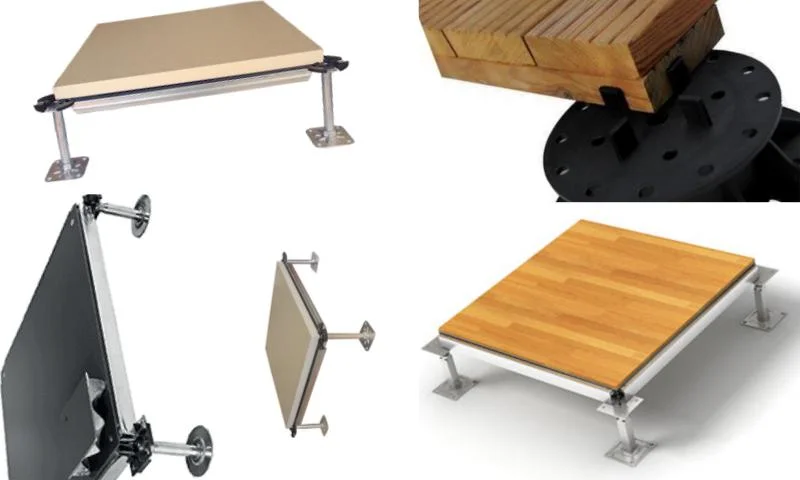
Raised floor systems, which can be preferred in all new and old structures, best meet expectations by using different filling materials. Among the products preferred in different classes as chipboard core, calcium sulfate core, and concrete core, chipboard core options are the most affordable. With their practical use and functionality, options used in many areas today, especially in workplaces and offices, also effectively protect the health of living beings in the environment thanks to their fireproof property.
Selection of Filling Material According to Load Weight
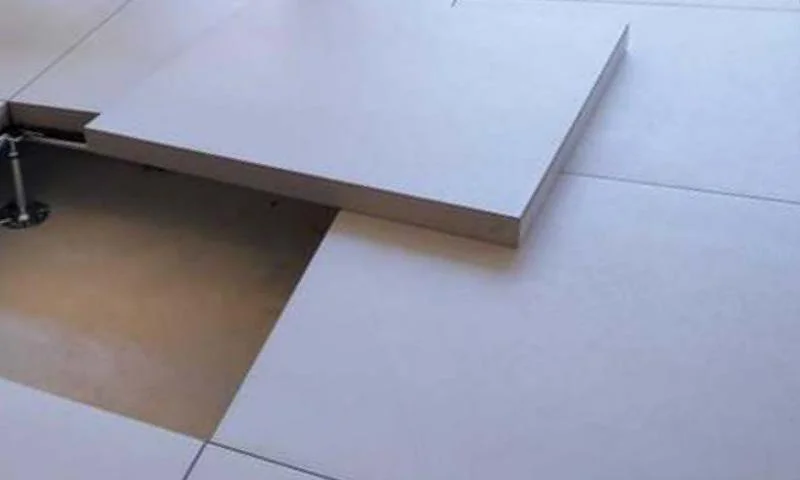
In raised floors, the filling material can be selected according to the load weight. In areas with a high load ratio, concrete core filling materials are generally used. You can get support from relevant online corporate firms on internet pages to decide which filling material to use for which area. Materials whose prices are subject to certain criteria are influenced by factors such as the internal fillings used, the types of top coatings, height, and trim preference. Operations such as epoxy coating, aluminum skirting board set, carpet tiles, and PVC flooring can be applied to the floors.
Get Rid of Time and Money Loss Indefinitely
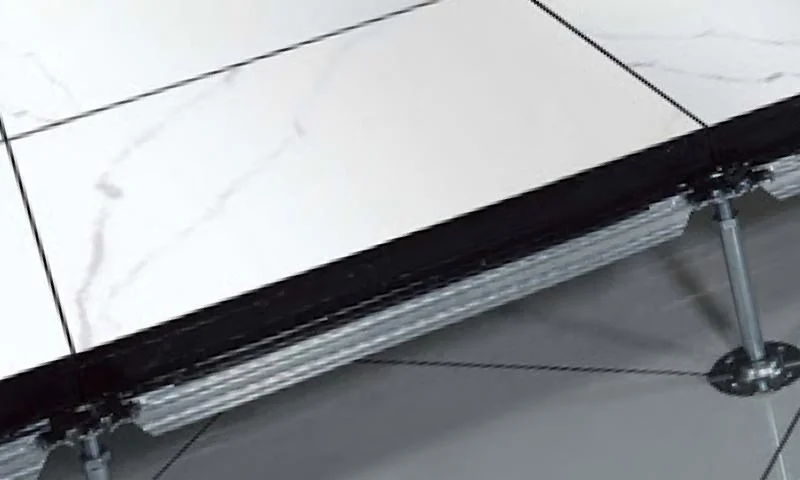
Raised floor systems, which can be preferred to create a second floor over the existing floor, allow for the concealment of systems that are difficult to change and need to be hidden, from cables and channels to ventilation systems. In the system where electrical and mechanical cables can also pass easily, if any change is to be made, quick and practical access is provided to the desired point. With their modular structure, you can make changes on the systems, especially preferred in workplaces with dense cable and pipe installations, without repeatedly undertaking construction work. With these features, the systems provide flexibility to the user in the layout plan and allow for more effective results with their advantages.





