
The History and Importance of Antique Kilims
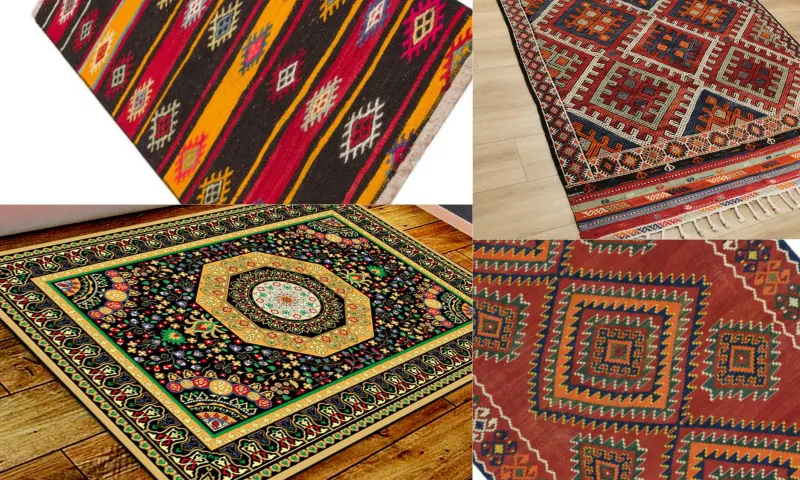
Antique kilims are valuable works of art, crafted over centuries with manual labor and cultural motifs. With their unique patterns and colors specific to each region, they represent a historical and aesthetic heritage. These kilims are important not only for decorative purposes but also as social and cultural documents. Antique kilims originating from Ottoman, Anatolian, and Mesopotamian cultures preserve traces of the past in both homes and museums. With their historical textures and original motifs, antique kilims are among the unique objects where art and decoration merge. For information on this subject and to ask your questions, you can visit relevant online companies on the internet and review them in detail from there.
Features of Antique Kilim Designs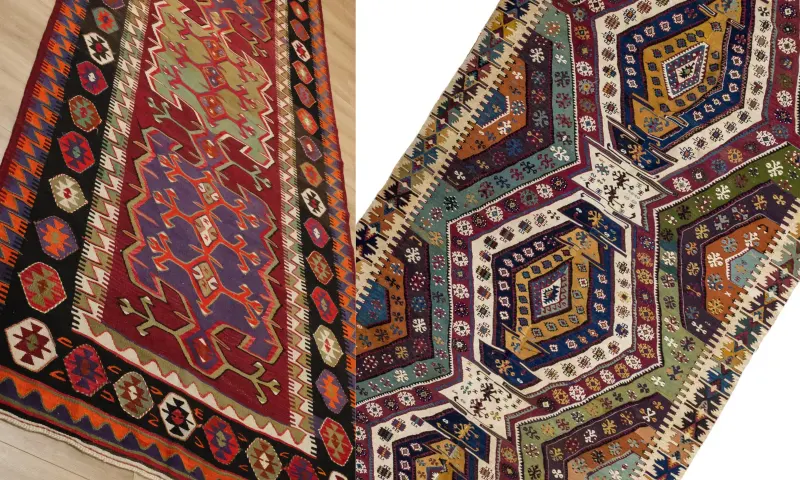
Antique kilim designs are produced using hand-weaving and natural dyes. Geometric and floral motifs, combined with cultural symbols, give each kilim a unique character. The fact that colors are obtained from natural dyes allows the kilims to gain more value over time. Additionally, the weaving technique and the quality of the yarn used are important for durability and aesthetic appearance. Antique kilims can be chosen in different sizes and patterns to harmonize with modern decor, adding a historical touch to the space.
Things to Consider When Choosing an Antique Kilim
When choosing an antique kilim, it is necessary to consider its originality, weaving quality, and the materials used. Kilims with proven authenticity are important both for decoration and investment value. The preserved condition of the kilims, the vibrancy of their colors, and the integrity of their motifs are factors that increase their value. Furthermore, making a choice suitable for the size and intended use ensures that the kilim is used aesthetically and functionally in the space. When chosen correctly, antique kilims both enrich a home's decor and become valuable objects that preserve cultural heritage.





